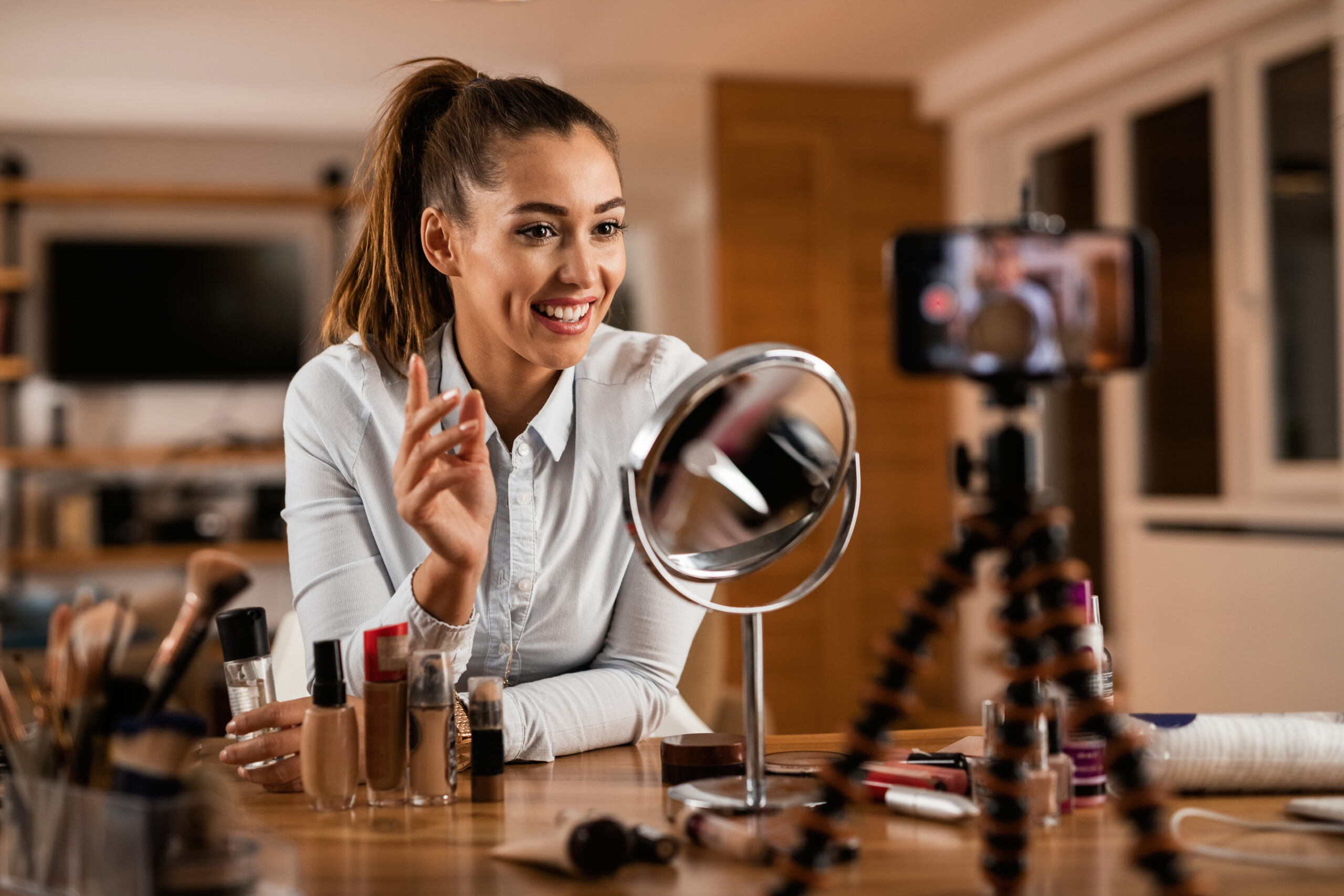
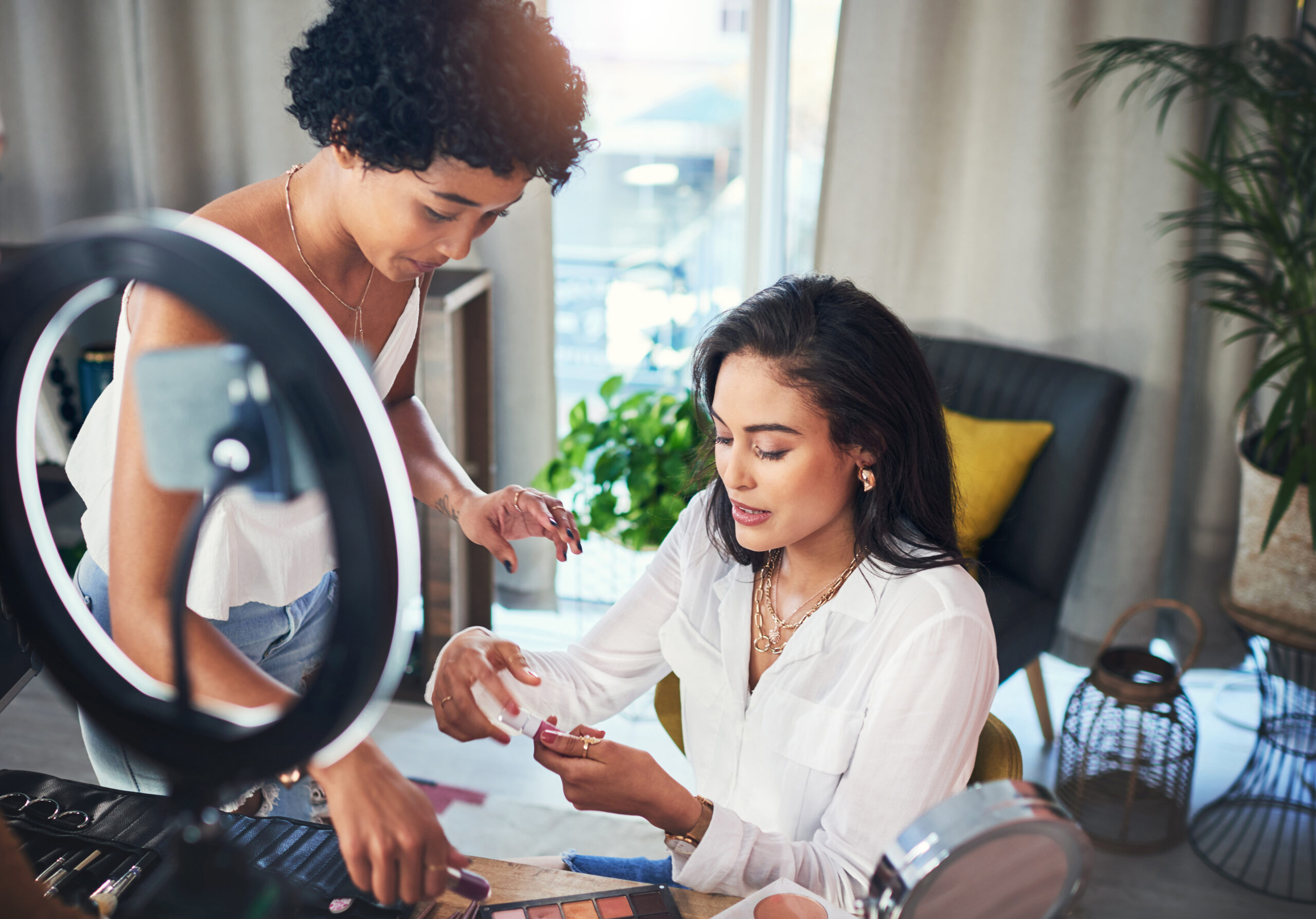
Influencer marketing is no longer just about brand awareness.
In 2026, marketing leaders expect every marketing channel to contribute to measurable business growth.
That includes influencer partnerships. Brands are moving beyond vanity metrics like impressions and follower counts to focus on customer acquisition, revenue, and long-term profitability.
Meanwhile, the creator economy continues to evolve. Social platforms are changing how consumers discover products. AI-powered search is reshaping buying journeys. Consumers increasingly trust recommendations from creators over traditional advertising.
The brands adapting fastest aren’t treating influencer marketing as a standalone campaign. They’re integrating influencers with affiliate marketing, editorial media, Performance PR, Amazon Affiliates, and TikTok Shop into a unified partner marketing strategy.
Here are the influencer marketing trends that deserve every marketing leader’s attention in 2026.
What are the biggest influencer marketing trends in 2026?
The biggest trend isn’t a new platform or content format, it’s accountability.
Marketing leaders now expect influencer marketing to produce measurable business outcomes. Every partnership is evaluated through the lens of customer acquisition, revenue generation, and long-term growth.
That shift is influencing every aspect of how brands recruit, compensate, and measure influencers.
Why are brands measuring influencer partnerships differently?
Marketing budgets are facing more scrutiny than ever.
Executives want to understand exactly how every dollar contributes to growth. As a result, influencer marketing is increasingly measured using the same performance metrics as affiliate marketing and paid media.
Instead of asking whether a campaign generated engagement, brands are asking:
- How many new customers came from this partnership?
- Did the influencer generate incremental revenue?
- Which partnerships produced the highest return on investment?
Revenue has become the metric that matters most. Brands that build reporting around measurable outcomes gain a clearer understanding of which influencers deserve long-term investment.
How are affiliate marketing and influencer marketing working together?
The distinction between affiliate marketing and influencer marketing continues to disappear.
Many influencers now expect relationships that include affiliate links, performance commissions, exclusive offers, and ambassador programs alongside traditional sponsorships.
This evolution benefits both brands and influencers.
Instead of managing separate affiliate and influencer programs, marketing teams are increasingly combining both into one partner marketing strategy with shared goals, reporting, and optimization.
The result is:
- More consistent reporting
- Improved budget allocation
- Stronger long-term partnerships
- Greater visibility into revenue performance
Rather than deciding between affiliate marketing and influencer marketing, leading brands are building programs where both channels strengthen each other.
Why are smaller creators outperforming larger influencers?
Audience size no longer guarantees results.
Many brands are finding greater success by partnering with creators who have built trust within highly engaged communities.
Micro and niche creators frequently deliver higher engagement and conversion rates, lower acquisition costs, and greater audience credibility. Consumers increasingly value expertise over celebrity.
Whether someone specializes in skincare, outdoor gear, home organization, or nutrition, audiences are more likely to trust recommendations from creators who consistently educate and provide value.
For growing brands, partnering with several trusted niche creators often produces stronger business outcomes than investing heavily in a single celebrity influencer.
How is AI changing influencer discovery?
Finding the right influencers used to be a manual process.
Today, AI helps marketing teams evaluate thousands of partnership opportunities more efficiently.
Modern tools can analyze factors such as:
- Content quality
- Purchase intent
- Category expertise
AI accelerates research. Human expertise determines strategy.
The strongest influencer programs combine AI-assisted insights with experienced marketers who understand audience alignment, publisher relationships, and long-term growth objectives.
Why are long-term influencer partnerships becoming more valuable?
One sponsored post rarely changes a business.
Long-term partnerships create familiarity, trust, and repeated exposure.
Over time, influencers become genuine advocates who understand a brand’s products and audience. Their recommendations feel more authentic because consumers have watched that relationship develop naturally.
Brands also benefit from better performance data and more ore predictable revenue, with stronger customer trust and improved attribution.
The conversation has shifted from finding influencers for the next campaign to building relationships that continue generating value throughout the year.
How do influencers support the entire customer journey?
Influencer marketing now contributes across the entire marketing funnel.
Top of Funnel: Influencers introduce new audiences through educational, entertaining, and lifestyle-focused content.
Middle of Funnel: Product reviews, tutorials, demonstrations, and comparisons help consumers evaluate products before making a purchase.
Bottom of Funnel: Affiliate links and exclusive discount codes help convert purchase intent into revenue.
When influencers work alongside affiliates, editorial media, Performance PR, Amazon Affiliates, and TikTok Shop affiliates, every partnership contributes to one integrated customer acquisition strategy.
How should brands prepare for influencer marketing in 2026?
Marketing leaders preparing for the next stage of influencer marketing should focus less on campaign volume and more on program quality.
That means:
- Measuring business outcomes alongside engagement.
- Diversifying partnerships across creators, publishers, and media.
- Using AI to improve analysis while relying on experienced marketers for strategic decision-making.
These practices help brands build sustainable partner marketing programs that continue delivering results as consumer behavior and technology evolve.
The Future of Influencer Marketing Is Partner Marketing
The highest-performing brands no longer think about influencer marketing as a standalone channel.
They recognize that influencers, affiliate publishers, editorial media, Performance PR, Amazon Affiliates, and TikTok Shop affiliates all play different roles within the same partner marketing ecosystem.
When those relationships are managed together, brands gain stronger attribution, more efficient customer acquisition, and greater resilience as search behavior and social platforms continue to evolve.
For growing brands, the opportunity isn’t finding more influencers.
It’s building an integrated partner marketing strategy where every partnership contributes to measurable business growth.
To learn how your brand can increase revenue and reach new audiences, get started here
Influencer Marketing FAQs
Performance-based partnerships, AI-assisted influencer discovery, integrated affiliate and influencer programs, long-term ambassador partnerships, and greater emphasis on measurable business outcomes are defining influencer marketing in 2026.
Affiliate marketing provides the tracking, attribution, and commission structure that allows influencers to earn compensation based on measurable sales. Together, they create a unified partner marketing strategy that improves customer acquisition and ROI.
It depends on your goals, but many brands find that micro influencers generate stronger engagement, higher trust, and lower acquisition costs because they serve highly engaged niche audiences.
Growing brands often achieve better results by developing long-term partnerships with niche influencers, integrating affiliate marketing into influencer partnerships, and focusing on business outcomes instead of large awareness campaigns.
AI helps brands identify influencer opportunities, analyze audience quality, evaluate partnership performance, and improve campaign optimization. Human expertise remains essential for strategy, relationship management, and long-term growth.