
Brand partnerships have moved from an experiment to vital partnership marketing infrastructure.
Across retail, home goods, beauty, and DTC, brands are reallocating budget into partnerships that drive measurable outcomes, including revenue, new customers, and lasting audience access.
This guide breaks down quality brand partnership examples, what makes them effective, and how brands structure them into repeatable growth systems.
What are brand partnerships and why do they matter now?
Brand partnerships are structured collaborations between brands and creators or publishers designed to drive shared outcomes. Those results tend to be centered on revenue, customer acquisition, and using third-party sources as trust signals to drive AI share of voice.
The shift is an economic one. Paid media costs have risen. Organic reach has been fragmented, while AI-driven discovery reduces direct clicks.
Partnerships introduce your brand through trusted environments, including editorial content, creator recommendations, and commerce platforms that are already influencing purchase decisions.
For brands operating in competitive categories like apparel, partnerships reduce dependency on any single channel.
What types of partnerships drive measurable growth?
Most high-performing programs combine multiple partnership types. These include partnerships that focus on distribution and product visibility, like retail and product collaborations.
Examples include co-branded collections, exclusive product drops, and retail placements across new channels. They drive immediate revenue and expand physical or digital shelf space.
Another type is influencer and creator partnerships. These partnerships now extend beyond awareness into conversion, using tracking methods that don’t rely on cookies or last-click attribution, such as unique coupon codes and server-to-server tracking. Compensation is tied to measurable outcomes like revenue or new customers.
Meanwhile, affiliate marketing programs are where partnerships can scale.
Brands connect with affiliates, like commerce content publishers and deal and loyalty platforms, and compensation correlates directly to performance outcomes.
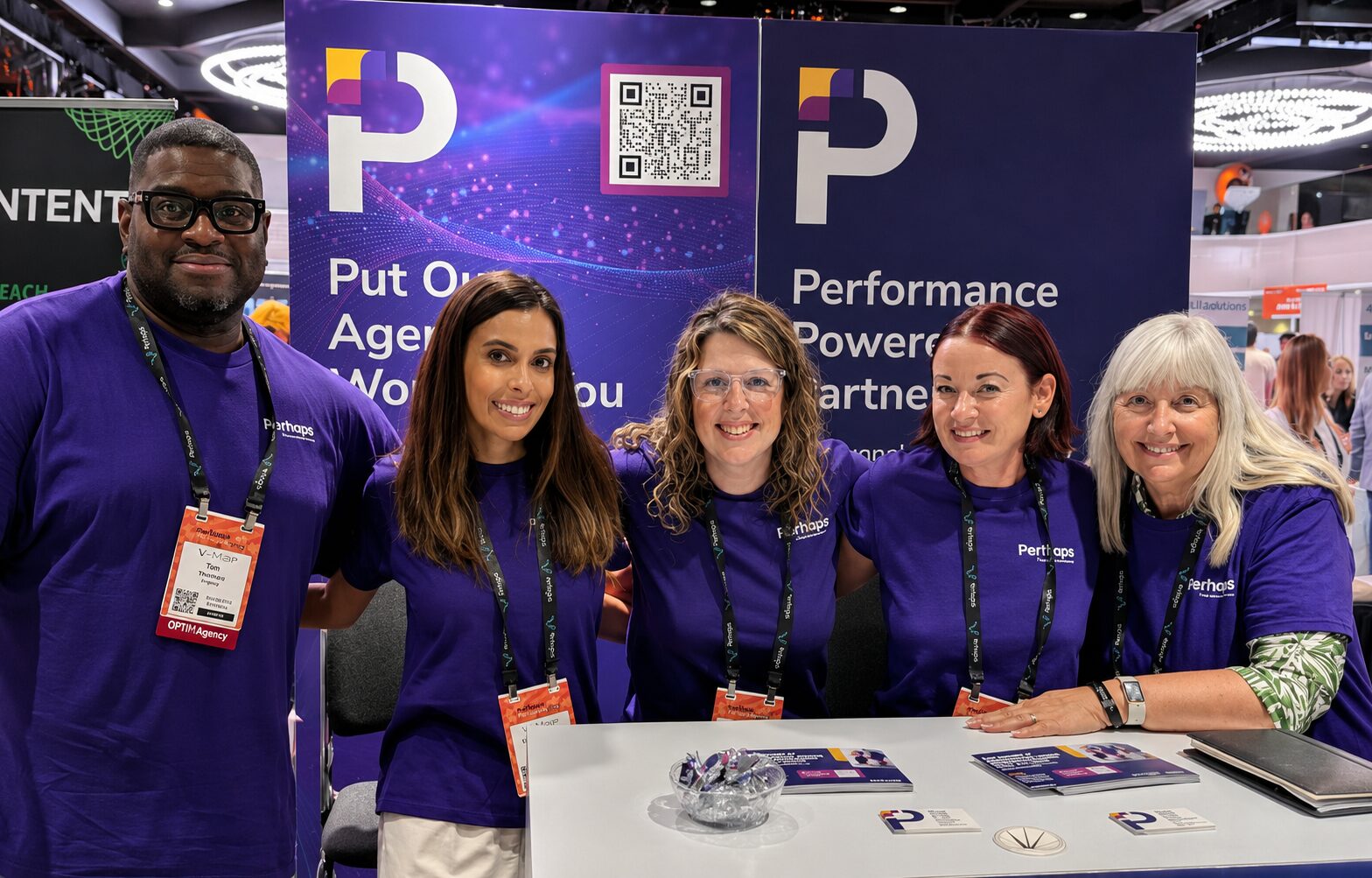
How Perhaps Agency builds brand partnerships that scale
Most brands don’t struggle to find partners. They struggle to structure them.
Perhaps operates at that layer. The focus is not just introductions, but system design.
That includes:
- Identifying high-value partner segments across affiliates, influencers, and media
- Aligning partnerships with full-funnel marketing strategy and integrated media planning
- Building repeatable frameworks for testing, scaling, and optimization
The difference shows in execution. Partnerships move from one-off activations to ongoing revenue channels.
Why partnerships are a core growth strategy
The most effective brand partnerships examples don’t rely on novelty. They center on structure, alignment, and distribution. For brands building in 2026, partnerships are not just a supporting channel. They’re the system that connects discovery, trust, and conversion.
Perhaps works with brands to design and scale partnership marketing strategies that reach high-intent audiences and drive measurable growth.
A focused strategy session can clarify where partnerships fit in your media mix and how to execute them with precision. Reach out to a member of the team for your strategy session today.